
The Netherlands is, by most measures, a low-crime country — but knowing how the system works before you need it makes a real difference. Here’s a practical starting point.
Emergency numbers
For any situation requiring immediate police, fire, or ambulance response, the number across the Netherlands is 112, the same as the EU-wide emergency number. For non-urgent police matters — reporting a theft after the fact, a noise complaint, or general questions — the number is 0900-8844, the national police non-emergency line. Reports can also be filed online for many minor incidents through the Dutch police’s website, which is often faster than an in-person visit for things like bicycle theft, a very common occurrence in Dutch cities.
How Dutch policing is structured
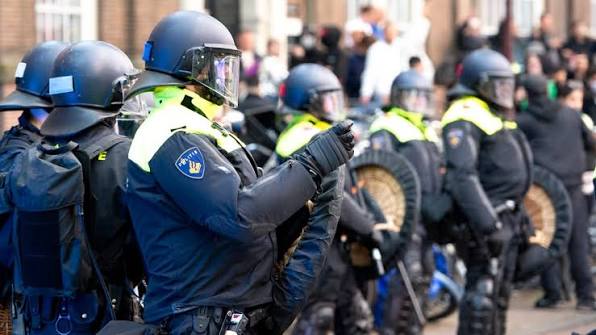
The Netherlands has a single national police force, Politie, organized into regional units rather than separate city-by-city forces. Officers typically police on foot, bicycle, or in marked cars in most towns and cities, and community policing (a designated “wijkagent,” or neighbourhood officer, for a specific area) is a standard feature of how residential areas are covered. For expats coming from countries with more visibly armed or heavily present policing, the more low-key, everyday presence of Dutch police is one of the more noticeable cultural differences.
Common scams to know about
A few scams recur often enough in the Netherlands that they’re worth knowing in advance:
- Rental scams, where a “landlord” (often unreachable in person) asks for a deposit on a property before a viewing — extremely common in the tight Dutch housing market and frequently targeted at newly arrived expats searching online.
- DigiD phishing, where a fake text message or email impersonating the Dutch government’s DigiD login system asks someone to “verify” their account by entering login details on a fake site.
- Marketplace scams, on sites like Marktplaats (the Dutch equivalent of Craigslist/eBay classifieds), where a buyer or seller asks for payment outside the platform’s protections.
- Fake parcel delivery texts, impersonating PostNL or DHL, asking for a small “redelivery fee” via a link.
The general rule that protects against most of these: never send money or personal login details to someone you haven’t verified independently, and be especially cautious with any interaction that starts with unexpected urgency (a deadline, a limited-time offer, a threat of losing an apartment or parcel).
If you’re a victim
If you believe you’ve been scammed, report it to the police (via 0900-8844 or online) and, for anything involving bank details or payments, contact your bank immediately — Dutch banks have fraud lines for exactly this kind of situation.
We’ll cover specific local safety notices and verified incident reports in this category going forward.
What do you feel about this post?

Like

Love

Happy

Haha

Sad